




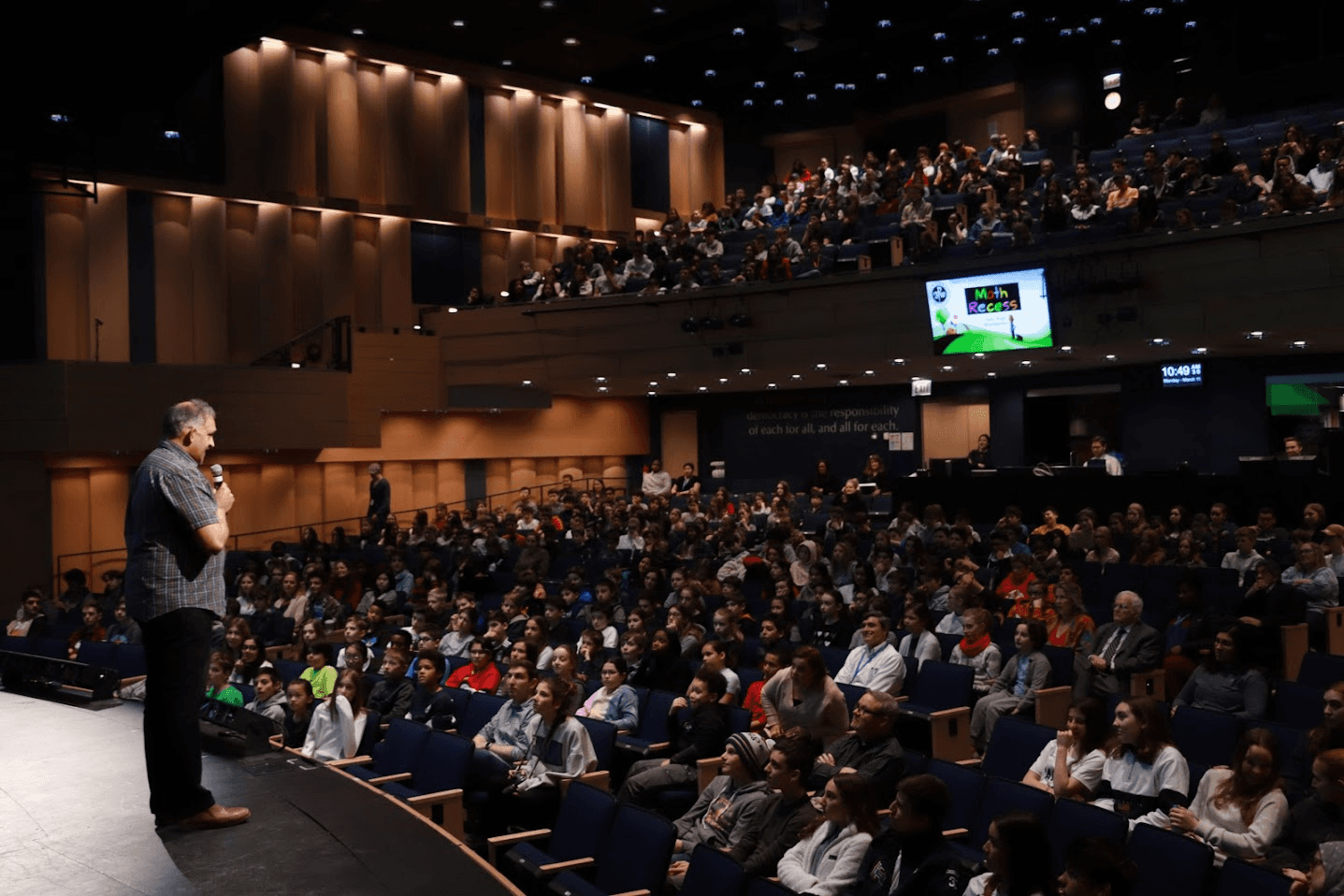
The heart of communication in a classroom should be conversations and discussions. However, those cannot come at the price of anxiety and tension. Our voices must be free and the environments in which they are must be disarming and welcoming.
Teaching and learning with storytelling in mathematics allows for conversations that are light, buoyant, and relaxed.
And, most importantly, stories offer a doorway to a deeper understanding of mathematics. Those thematic narratives open up magical worlds of learning.
Blog
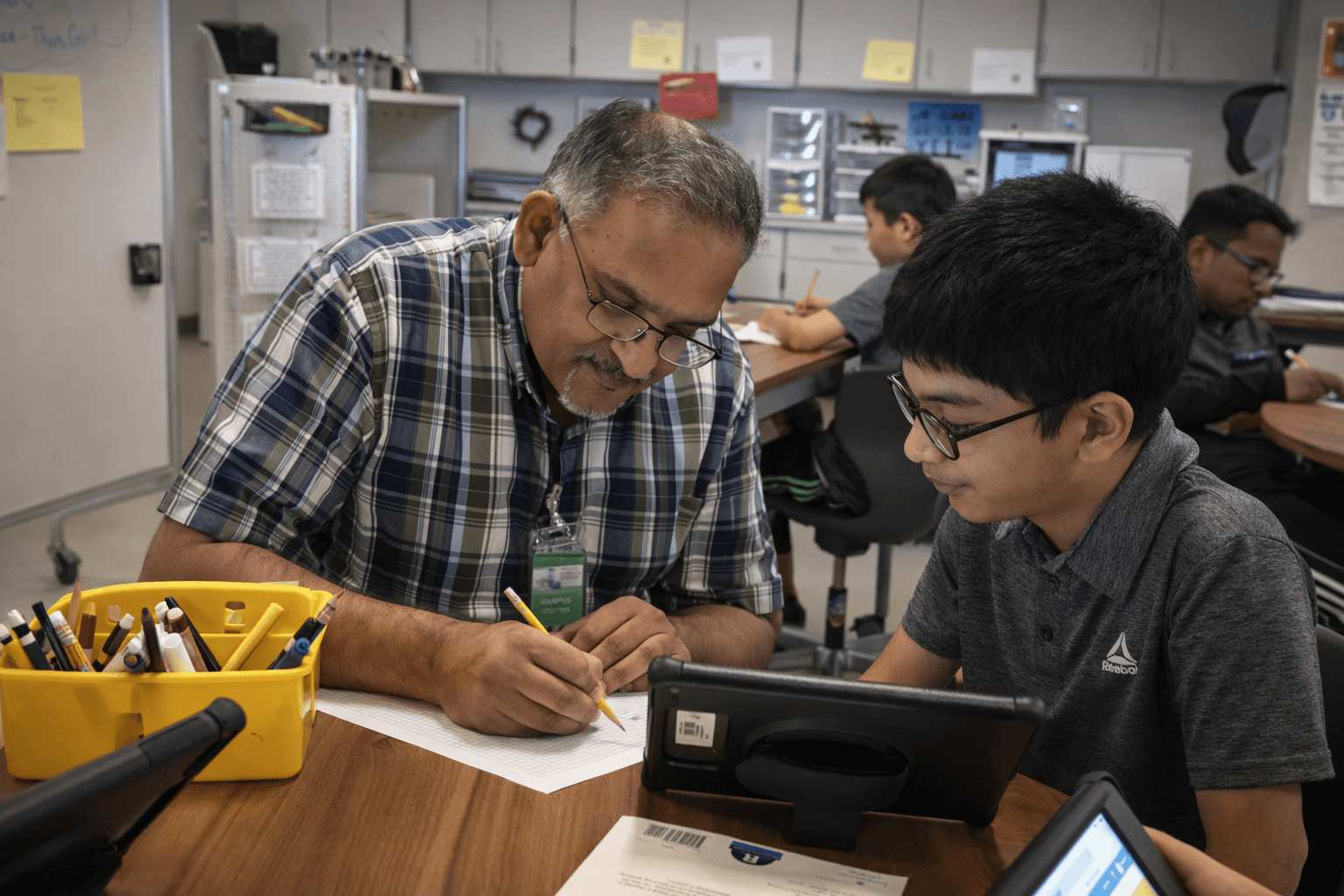
There are five different workshops I do with students that revolve around the main goal to strengthen fluency in numbers, patterning, and problem-solving. That is, by strengthening their curiosity for them.
The core philosophy behind these workshops is for children to discover and learn the hidden joy and wonder that is rooted in a richer exploration of basic mathematics
Uplifting Mathematics By Uplifting Students
The quality, scope, and purpose of mathematics must be prioritized in order for all students to have the best experience and outcomes. In this workshop teachers will see mathematics that is filled with awe, wonder, magic, and historical value. As well, they explore more inclusive and wider purposes for learning mathematics that are aligned to present and future wellbeing for all students and teachers. Great mathematical content is student-facing, and how we deliver that is teacher-facing. We need both.
Teaching Mathematics As A Journey Through Its History, People, and Stories
Every idea and concept of mathematics that students learn in their own journey of mathematics was once not known or poorly understood by humans. This is an important idea to illustrate that mathematics is really the story of “slow failure”, and its thematic development through all races, cultures, and civilizations is a narrative that must be embedded to have a fuller and deeper understanding of the awe and wonder of mathematics.
The 5 Pillars of Mathematical Fluency
Our current math education system has a narrow belief of what “fluency” means in mathematics. It goes beyond proficiency and agency. It attends to what it truly means to be fluent in language. And since mathematics is the language of the universe, we need the broadest of idea of mathematical fluency. The pillars are factual, procedural, conceptual, historical, and contemporary. All five will be examined in detail and threaded together to give a more powerful idea of mathematical fluency.
Unexpected Benefits of Mathematical Curiosity On Mental Health
Curiosity for learning mathematics is a natural element that is housed in every student. However, it is often not attended to very well or just atrophies over time. This is unfortunate because all the exploration and questioning comes from a student and teacher's own curiosity for mathematics. And, not only is having curiosity a pedagogically important idea in learning mathematics, it also has important benefits for mental health, including the stimulation of dopamine release. This presentation is packed with mathematical problems, questions, and ideas that convey the critical nature of centring mathematical curiosity in classrooms.
Nurturing A Healthy Relationship With Artificial Intelligence and Mathematics
The current climate of dealing with the explosion of AI in math education has a lot of apprehension, anxiety, and fear of how it is being used by students and what teachers have to then deal with. The biggest problem is that students are handing off their cognitive load to LLM's like Claude and ChatGPT. To simply tell them not to do this without a WHY they can understand and reflect upon will not be a deterrent--especially an organic one. Mathematics education has to prioritize the value of getting lost and disoriented with mathematics--basically its thematic development. While the mathematics is important, it's more the skills of critical and creative thinking that students should not be yielding so quickly to AI.
One, Two, Buckle My Binary Shoes!
This is not only a natural expression in having interest in trying to grow numbers through exponentiation, but serves as an important doorway in learning about the power and magic of all things “2”. In this session, we learn about them and play some easy to play games that reflect those ideas.
The Hidden Powers of Zero
The way we have been taught about numbers has failed to utilize the anchoring power of zero. We all have a perfectly clear concept of this number that means nothing, but have failed to utilize it in a way that strengthens our fluency with addition, subtraction, multiplication, and division. In this session, we will fully explore the true historical meaning of zero and how it can better help us with understanding basic arithmetic operations.
The Secret Pattern of Exponents
Once children begin to add, they begin to learn multiplication. Once they understand that concept, they are also ready to learn about exponentiation. In the first session we doubled. In this one we will triple, quadruple, etc and see there are some cool patterns that emerge. All you need is to have a calculator to explore the different “codes” that each base from 2 to 11 have.
Perfect Numbers: Math’s Golden Tickets!
One of the most important branches of mathematics is called number theory, and it is accessible to the youngest learners. Simply understanding the difference between an odd and even number is a valuable piece of knowledge that builds foundation for learning more challenging ideas in number theory. In this session, we will begin there, but fully explore what a perfect number is and how rare they are!
Historical Patterning In Mathematics
Curiosity for patterning in arithmetic is a foundational skill that is greatly enhanced when looking at it through the lens of storytelling/narrative. In this session we will examine some of the most famous patterns in arithmetic and how they sometimes take us down these rabbit holes of deeper inquiry and understanding.
TESTIMONIALS
Real-life testimonials and reviews
Contact Sunil
Have questions?
I value your thoughts and feedback. Whether you have questions about the journey of learning or just want to share your experience, feel free to reach out through the form.